
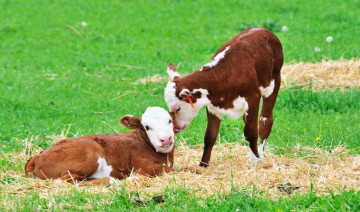
Spring calving season is an exciting time on the farm, but it also comes with plenty of responsibility. A successful calving season depends on preparation, the right supplies, and knowing what to watch for when cows begin to deliver. Whether you manage a large herd or just a few head of cattle, getting ready ahead of time can help reduce stress and improve outcomes for both cows and calves.
Here’s a helpful checklist of supplies and practical tips to keep your calving season running smoothly.
A clean calving environment is one of the best ways to prevent illness in newborn calves. Wet, muddy, or manure-filled pens can increase the risk of scours and infections.
Calving area prep tips:
Clean pens or stalls thoroughly before the season begins
Add fresh, dry bedding regularly
Provide wind protection and ventilation
Make sure the area is easy to access for observation and assistance
Recommended supplies:
Straw or other bedding materials
Stall disinfectants and lime
Panels or gates for temporary calving pens
When a cow goes into labor, there may not be time to search for supplies. Having a calving kit ready and organized can save valuable time.
Must-have calving supplies:
Disposable gloves (shoulder-length recommended)
Lubricant
Clean towels
Calf puller or calving chains/straps
Iodine or navel dip solution
Thermometer
Scissors and clean buckets
Flashlight or headlamp
Keep your calving kit stored in a clean container and check it regularly to replace anything used or expired.
Good nutrition plays a major role in calving success. Cows in proper body condition tend to have fewer complications and healthier calves.
Nutrition tips before calving:
Provide quality hay or forage
Ensure access to clean, unfrozen water
Offer free-choice mineral year-round
Consider supplements if forage quality is low
Cows with poor nutrition may produce weaker calves and struggle with milk production after delivery.
Knowing the early signs of labor can help you intervene quickly if problems arise.
Common signs include:
Udder filling
Swollen vulva
Restlessness or separating from the herd
Tail raised or frequent lying down and standing up
Visible water bag or contractions
Many cows calve without assistance, but it’s important to observe closely, especially with first-calf heifers.
A key part of calving season is knowing the difference between normal labor and a situation that needs help.
Call for assistance if:
Labor lasts longer than expected with no progress
Only one hoof is visible for an extended period
The calf is coming backward
The cow appears exhausted or distressed
When in doubt, contacting a veterinarian early is always safer than waiting too long.
Once the calf is born, early care helps ensure a healthy start.
Newborn calf checklist:
Make sure the calf is breathing
Dry the calf off if needed
Dip the navel to prevent infection
Confirm the calf stands and nurses quickly
The first few hours are critical. Colostrum intake shortly after birth is essential for immunity and strength.
Spring weather can be unpredictable, with cold snaps, rain, and muddy conditions. Calves are especially vulnerable to wet and windy environments.
Cold-weather protection tips:
Keep bedding deep and dry
Provide shelter from wind and moisture
Consider calf jackets in extreme conditions
Ensure cows have adequate energy intake to maintain milk production
After calving, both cow and calf may need additional support.
Helpful items to have on hand:
Electrolytes
Milk replacer or bottles (if needed)
Calf starter feed
Extra minerals and supplements
Fly control products for later in the season
Calving season can go smoothly when preparation comes first. Having clean facilities, a well-stocked calving kit, proper nutrition, and a plan for emergencies helps protect your herd and reduces stress during the busiest time of year.
Stop by your local feed and farm supply store to stock up on bedding, minerals, calving tools, and newborn calf essentials — and make this spring calving season your best one yet.